
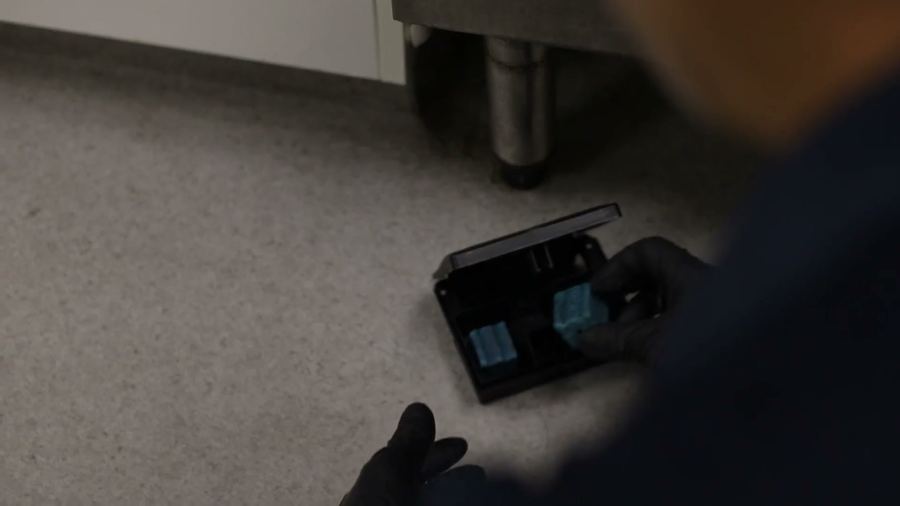
Rats and mice, found where they nest
Scratching above the ceiling, droppings in the pantry, gnawing under the floor. Stu works out whether it’s a ship rat, a Norway rat or mice, finds the nest and treats it there. Free quotes, no hidden fees.
If Stu’s up a ladder or under a floor, the phone is still answered and he returns your call.
“…couple weeks and no more noises in the roof”
- Rats, mice, cockroaches
- homes, rentals and businesses
- Tauranga to Te Puke
- the Mount, Pāpāmoa, Katikati, Ōmokoroa
- 20 years in pest control
- a family business since 2002
- Make it right, or money back
- free quotes, no hidden fees
What happens next
Before you ring
What changes the cost?
Rat or mouse, how many, how deep into the roof or under the floor the nest is, and how many bait stations the runs need. The look and the quote are free.
Can it wait?
A warm roof near food is a home they won’t leave on their own, and winter brings more of them inside. The longer they stay, the more droppings, runs and chewed wiring there are to deal with.
What happens on the visit?
Stu goes up into the roof space and under the floor with a torch, finds the runs and the nest, sets the bait stations and shows you where they’re getting in.
What Stu usually finds on rodent jobs
His own split of the rodent jobs he sees. Where you hear them is the best clue to which one you’ve got.
Rats and mice
Share of the rodent jobs Stu sees.

Who comes out
StuProfessional Pest Control
 Tauranga Exterminator is Stu of Professional Pest Control.
Stu or one of his technicians comes out to look at it, Stu quotes, and he and the team do the treatment, right across Tauranga.
- 20 yearsin pest control
- Since 2002a family business
- 10+ yearsacross Tauranga
“Explained the process well and turn up when they said they would.”
“…always ring us before arrive…”
The signs, and what they tell Stu
Most people hear rats before they see them: running in the ceiling after dark, gnawing inside a wall, a thump in the roof space. Then come the droppings, on top of the hot water cylinder, behind the fridge or along a garage shelf, and the dark, greasy rub marks where they squeeze past the same beam every night.
Mice leave very small, narrow droppings, scattered like dots. Rats leave bigger ones in groups along their runs. Each sign points Stu somewhere different, so tell him what you’ve found and where.
- Scratching or running in the ceiling at night: a climber, the ship rat
- Noise under the floor, or burrows by the drains and in the garden: the Norway rat
- Tiny droppings in drawers and the pantry: mice
- Gnawed food packets, soap or wiring
- Rub marks along beams, pipes and holes
- A smell in the roof space or a cupboard
How they get in
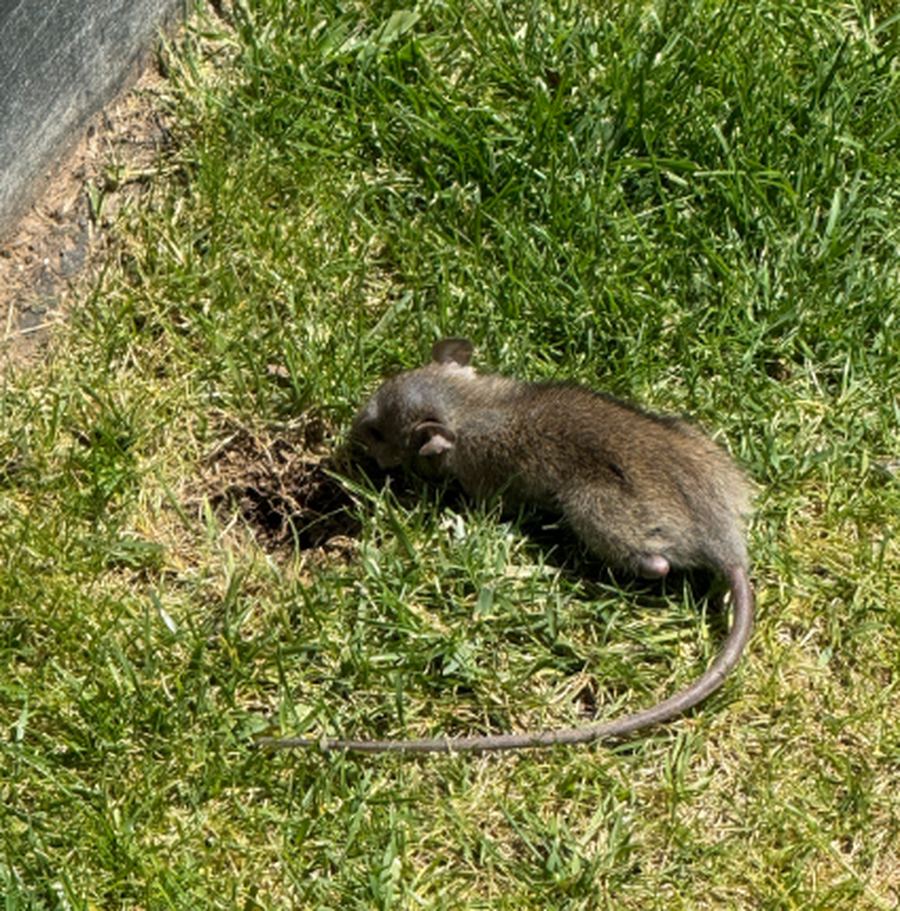
On Stu’s rodent jobs, 60 to 70% are ship rats, so he starts up high. Ship rats climb. They run up trees, fences and downpipes, along the lines and onto the roof, then in at the eaves, under the roofing and round pipes. They have a pointed nose, big ears and a tail longer than the body. Norway rats come in low, through broken subfloor vents, round drain pipes and under garage doors. Mice need a gap no wider than a coin.
Winter is when rats and mice most often move indoors, and the first cold nights bring the noise into the ceiling. Stu looks at how they’re getting in as well as where they’re living, because a roof cleared with an open eave soon has new tenants.
Rodent control, step by step
Finds the nest
Up in the roof space or under the floor with a torch, Stu follows the droppings, rub marks and runs back to where they’re living.
Names the rodent
Ship rat, Norway rat or mice. Each one travels and feeds differently, so the treatment follows the animal.
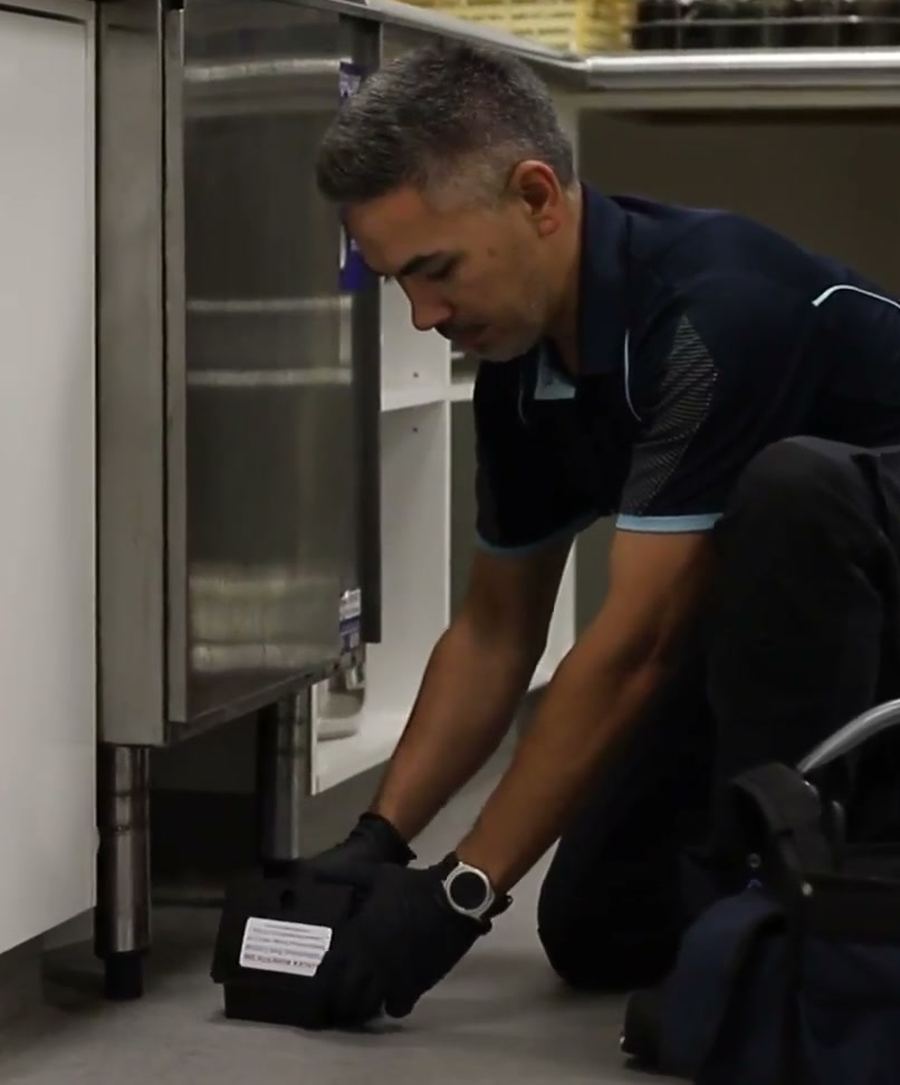
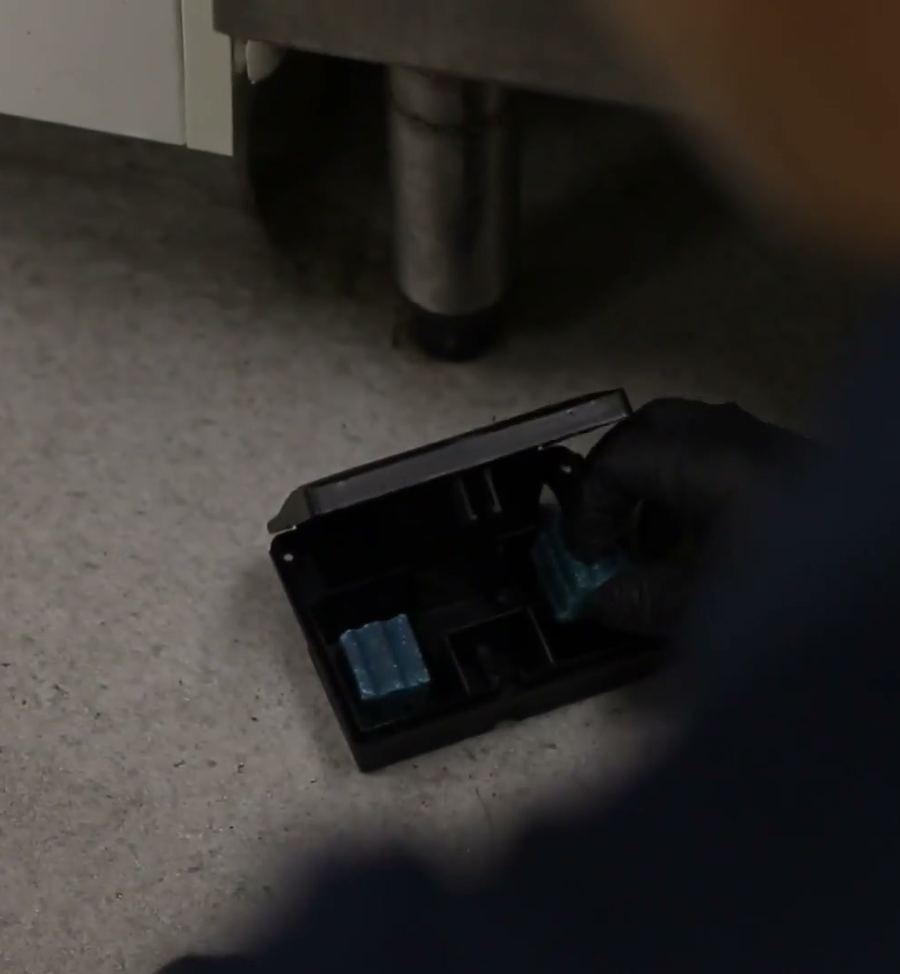
Sets the bait stations
Stations go where they travel and feed: along the runs in the roof, under the floor or outside along the walls.
Checks back
Stu comes back to see what’s been taken and whether the noise has stopped, and moves or tops up stations where they’re needed.
These guys are great, they turned up on time!!!! and where happy to spend the time to fully explain what they did and how it worked. I would definitely recommend them to others and will be using their services again in the future, thanks :-)
Homes, rentals and food businesses
At home, tell Stu who’s in the house, children and pets included, so he can plan where the bait stations go.
In a rental, landlords have to provide a place free of pests at the start of a tenancy, so a check between tenants is worth booking. Stu treats rentals for owners and property managers as well as tenants.
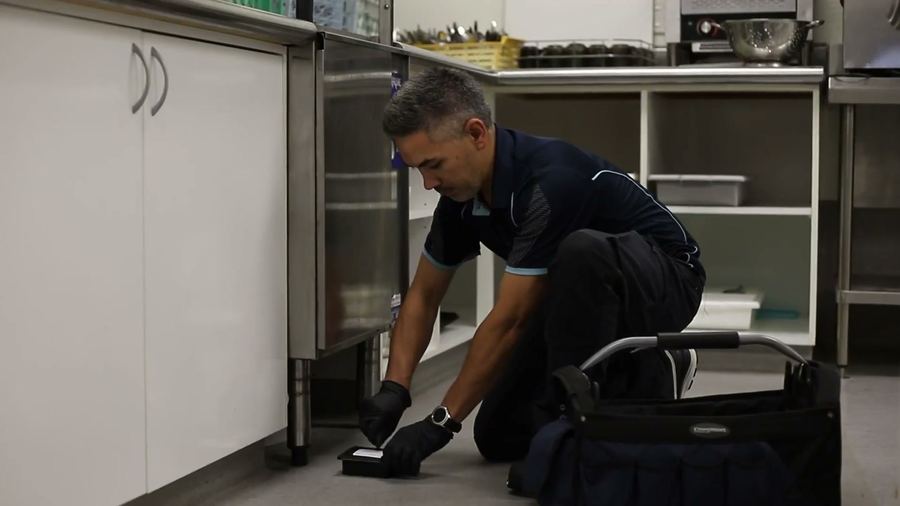
In a café, restaurant or takeaway, the food-safety rules call for regular checks for pests. Stu keeps bait stations on a regular round, timed around your trading hours, and writes up every visit.
Where Stu finds them around Tauranga
Rats follow food, water and cover, so the edges of town keep Stu busy: homes backing onto bush and streams in Welcome Bay and along the Kōpūrererua Valley, the saltmarsh and harbour edge at Otūmoetai and Matua, orchard country round Te Puke and Katikati, and the new streets going in beside paddocks at Pāpāmoa, Pyes Pa and Ōmokoroa.
Plenty of neighbours in these suburbs run a backyard rat trap. When the trap isn’t keeping up, or the noise has moved into the ceiling, that’s the time to call Stu.

What customers say
Absolutely fantastic service! David and Martin was prompt, professional, and explained everything clearly. They quickly identified the issue and took care of it efficiently, with noticeable results almost immediately. Excellent after-service and support as well. Highly recommended for anyone needing reliable and thorough pest control!
Very good service. Highly recommend to anyone
Questions
Another question? Call 0800 164 102, or put it on the quote form and Stu will answer it.
How long until the noise stops?
The bait has to be eaten before it works, so give it a little time. One customer with rats in the roof wrote that a couple of weeks later there were no more noises.
How many visits does it take?
The first visit finds the nest and sets the bait stations. Stu then comes back to check what’s been taken, and moves or tops up stations until the activity stops. The quote tells you the plan.
Is it a ship rat or a Norway rat?
A ship rat has a pointed nose, big ears and a tail longer than its body, and it climbs. A Norway rat is bigger, with a blunt nose and a shorter tail, and it lives low. Stu confirms it before he treats.
Can you treat a rental between tenants?
Yes. Stu treats rentals for owners, property managers and tenants, and a check between tenants is the easiest time to do it.
What if they come back?
Call Stu. If you’re not happy with the result, he puts it right, or you get your money back.
Get a free quote for rats and mice
Tell Stu what you’re seeing and where, and he’ll come back with a free quote.

What to send Stu
- A photo of what you found: the droppings, the bug, the holes or the nest
- Where you’ve seen or heard it
- How long it’s been going on
- Who’s at home: children, pets
- For a business: the kind of premises and your trading hours
Once it’s sent, Stu looks over what you’ve told him and any photos, then gets back to you to work out what you’ve got and give you a free quote. What he quotes is what you pay.
Thanks, we’ve got your details.
Stu will be in touch to work out what you’ve got and give you a free quote. If you’d rather talk, call 0800 164 102.